Understanding the Differences Between Analog and Digital Clocks: A Comprehensive Guide


Introduction to Clocks
Understanding the differences between analog and digital clocks is essential, especially in a world where both types are frequently used. Clocks have been an integral part of human history, helping us measure and manage time efficiently. While their fundamental purpose remains the same, analog and digital clocks offer distinct ways of displaying time.
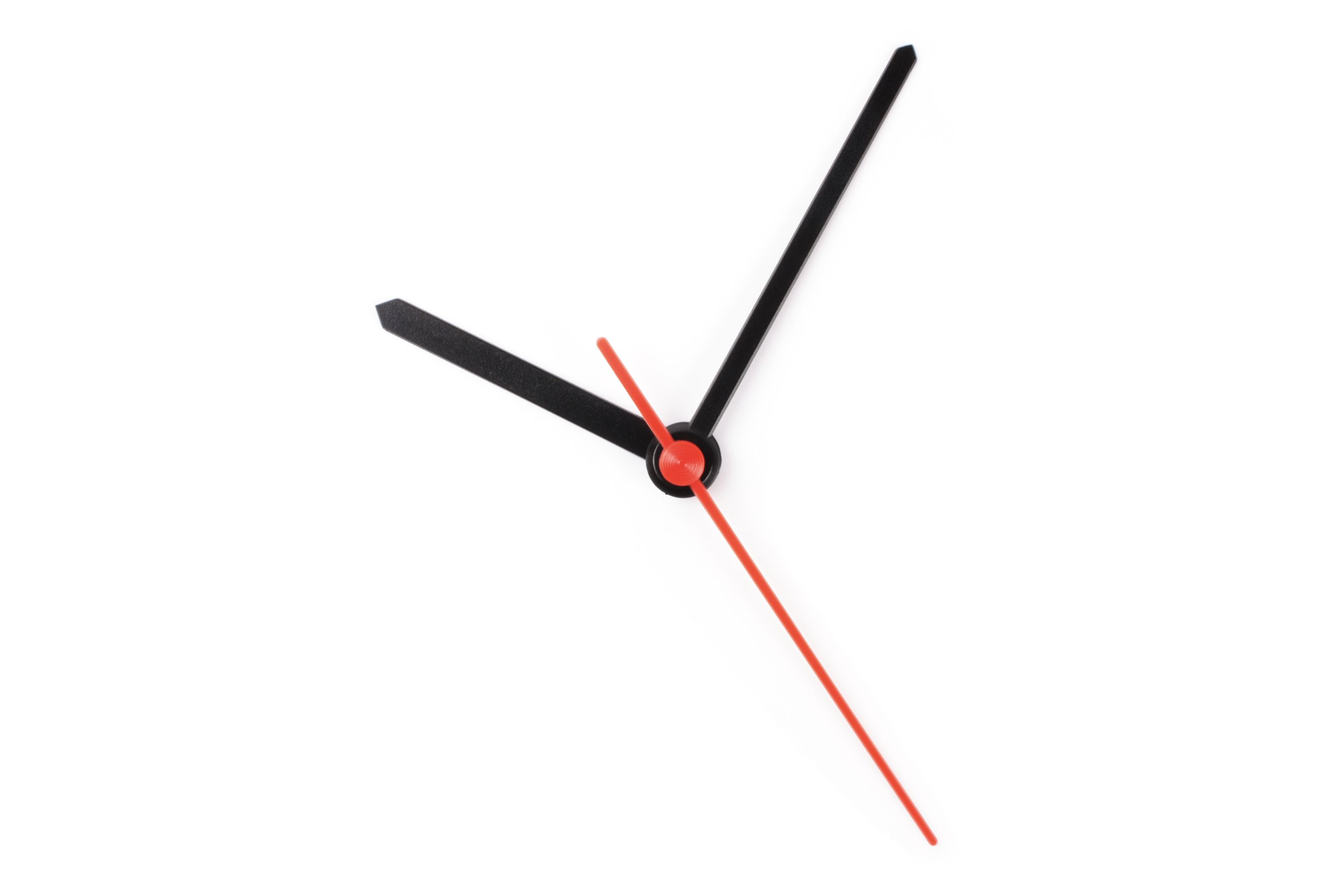
What Are Analog Clocks?
Analog clocks have been around for centuries and are recognizable by their face, which typically features numbers 1 through 12, and hands that rotate around the dial. The hands indicate the hour, minute, and sometimes seconds. The traditional design is often associated with elegance and simplicity.
Features of Analog Clocks
Analog clocks can be found in various styles, ranging from classic to contemporary. They often feature a circular face with hour and minute hands, powered by a mechanical or quartz movement. These clocks can be wall-mounted, desk-sized, or even worn as wristwatches.
Understanding Digital Clocks
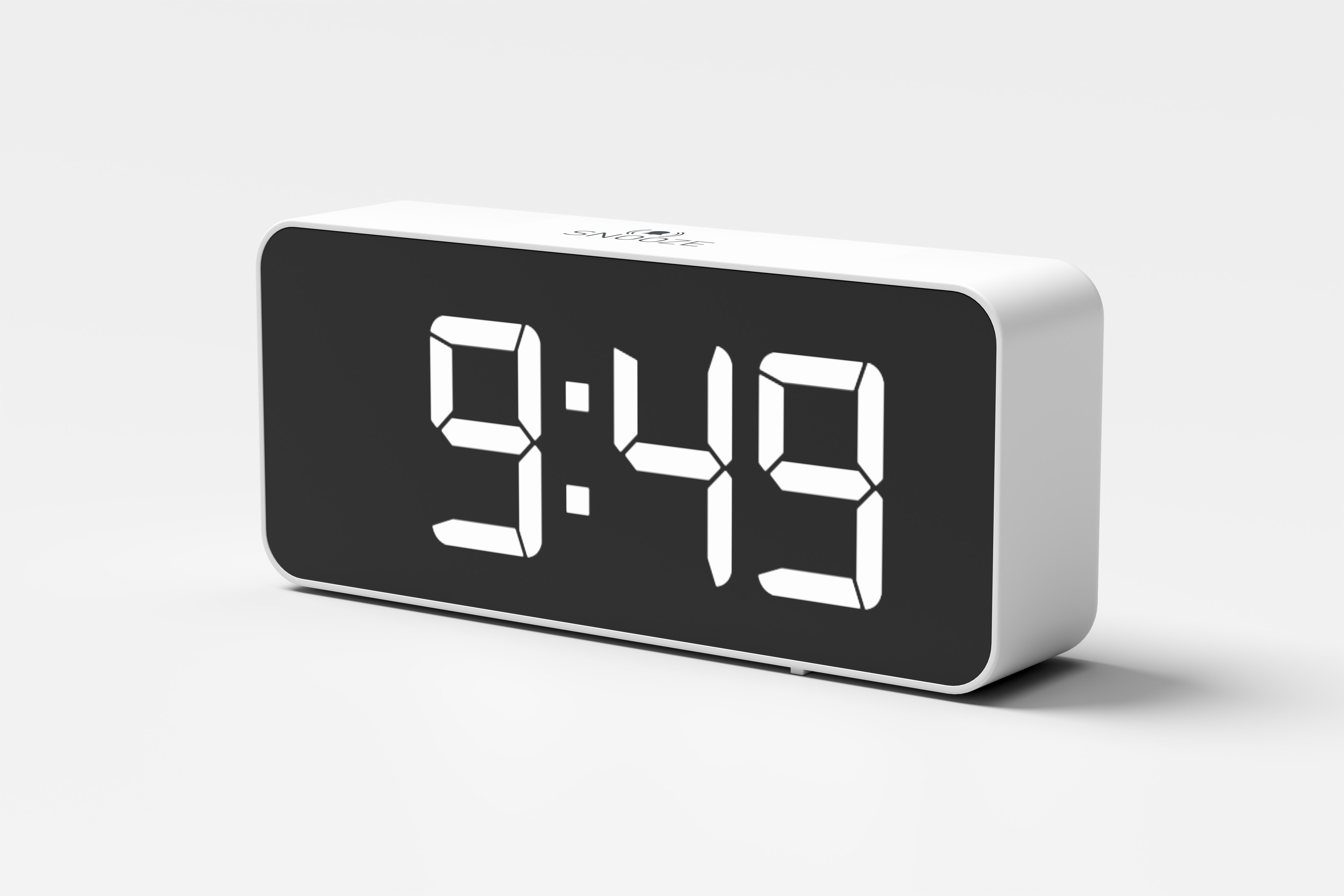
Digital clocks, on the other hand, display time numerically, typically using LED or LCD screens. They show hours and minutes, and often seconds, in a format like 10:45. This clear numerical display can make digital clocks easier to read at a glance, especially for those who prefer straightforward information.
Features of Digital Clocks
Digital clocks are often multifaceted, incorporating additional features like alarms, timers, and even weather updates. They are powered by electricity or batteries and are commonly found in electronic devices like computers and smartphones.
Comparing Analog and Digital Clocks
When comparing analog and digital clocks, several factors come into play, including aesthetics, readability, and functionality. While analog clocks offer a traditional appeal, digital clocks provide modern convenience.
- Aesthetics: Analog clocks are often seen as more aesthetically pleasing, with a wide variety of designs to match any decor.
- Readability: Digital clocks offer easy readability, with clear numeric displays that are often backlit for visibility in low light.
- Functionality: Digital clocks often come with additional features, whereas analog clocks are typically limited to time-telling.
Choosing the Right Clock for You
Choosing between an analog and digital clock depends on personal preference and specific needs. Consider where the clock will be used and what features are most important to you. If aesthetics and tradition are key, an analog clock might be the best choice. For practicality and additional functionality, a digital clock could be more suitable.

Conclusion
Both analog and digital clocks have their unique advantages and serve the critical function of timekeeping. By understanding their differences, you can make an informed decision that best suits your lifestyle and preferences. Whether it's the timeless charm of an analog clock or the modern efficiency of a digital one, the right clock can enhance your daily routine.