Understanding Daylight Saving Time Changes in New York: What You Need to Know


What is Daylight Saving Time?
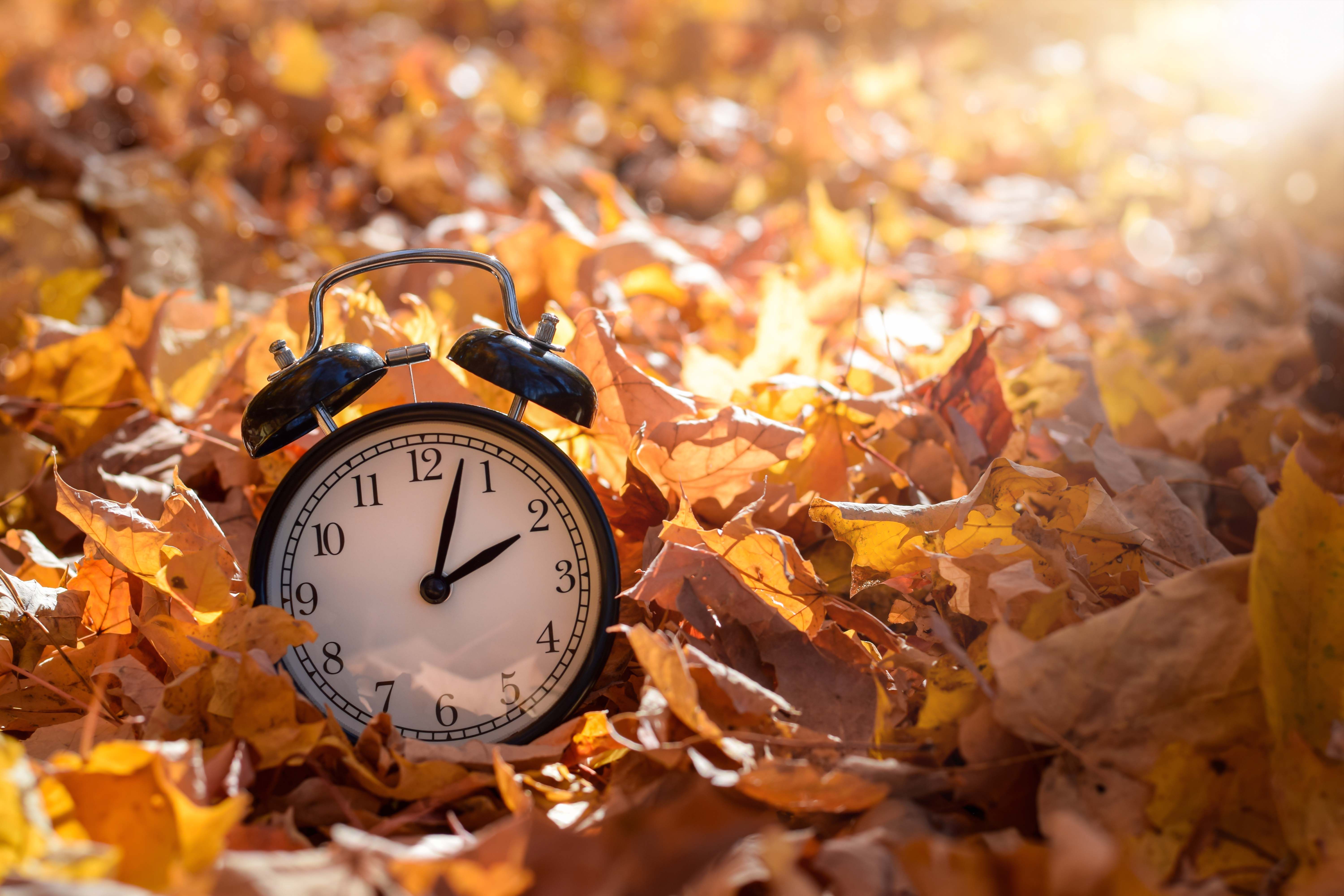
Daylight Saving Time (DST) is a practice used to make better use of daylight during the longer days of summer. By setting the clocks forward one hour, daylight in the evening is extended, allowing for more activities after work or school. In New York, as in much of the United States, DST begins on the second Sunday in March and ends on the first Sunday in November.
The History of DST in New York
The concept of DST was first proposed by Benjamin Franklin in 1784, but it wasn't until World War I that it was widely adopted as a measure to conserve energy. New York, along with the rest of the country, embraced DST during the war and continued its use with some interruptions and adjustments over the years.
Since 2007, following the Energy Policy Act of 2005, the current schedule of DST has been in place, which adds about four weeks to daylight saving compared to previous years.
How DST Affects Daily Life
For many people in New York, the shift in time can disrupt sleep patterns and daily routines. It's important to adjust gradually by going to bed a little earlier or later, depending on the time change. This helps in reducing the potential for sleep disruption, which can affect productivity and mood.

Benefits of Daylight Saving Time
Despite some inconveniences, DST offers several benefits. These include:
- Energy Savings: By making better use of daylight, energy consumption is reduced, particularly in the evening when people are less likely to turn on lights.
- More Daylight for Activities: Longer evenings encourage outdoor activities, which can boost physical health and well-being.
- Economic Benefits: Retail businesses often see an increase in sales as people spend more time shopping and engaging in recreational activities.
Challenges Associated with DST
While the benefits are notable, DST also presents challenges. Some studies suggest that the time change can lead to an increase in heart attacks, workplace accidents, and road incidents shortly after the clocks change. Adjusting gradually and taking precautions can help mitigate these risks.
Preparing for the Change
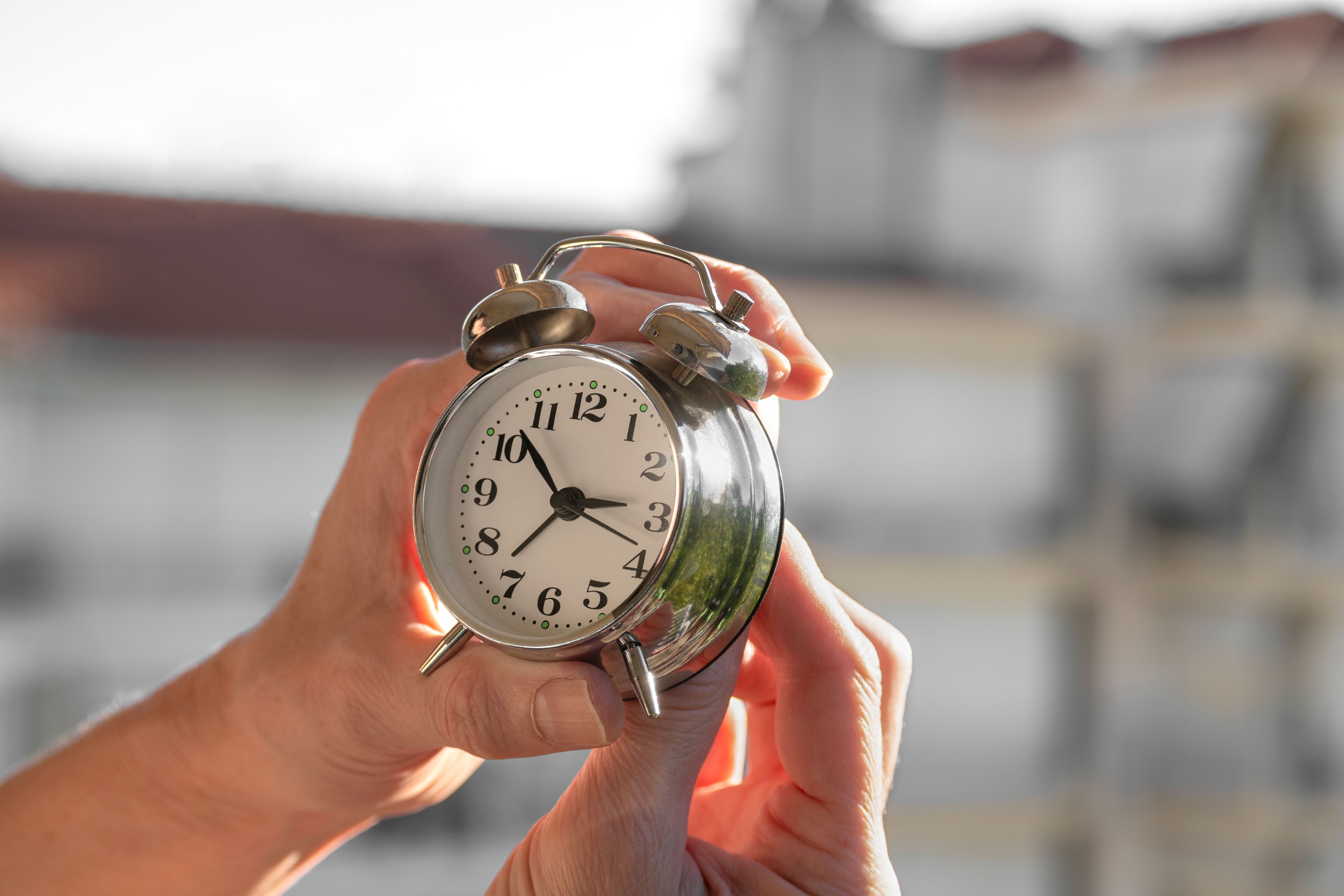
To ease the transition, consider these tips:
- Start adjusting your bedtime by 10-15 minutes several days before the change.
- Ensure your schedule allows for ample rest, especially in the first few days following the time change.
- Make use of natural light during the day to help your body adjust.
Conclusion
Understanding the nuances of Daylight Saving Time in New York can help you make the most of the additional daylight while minimizing disruptions. By preparing in advance and embracing the changes, you can enjoy the benefits of longer, brighter evenings.