Understanding Daylight Saving Time: A Comprehensive FAQ


What is Daylight Saving Time?
Daylight Saving Time (DST) is a practice where clocks are set forward by one hour during the warmer months to extend evening daylight. This adjustment typically occurs in the spring and is reversed in the fall.
The main purpose of DST is to make better use of daylight during the longer days of summer. By shifting an hour of daylight from the morning to the evening, it aims to reduce energy consumption.

History of Daylight Saving Time
The concept of DST was first proposed by Benjamin Franklin in 1784 as a way to conserve candles. However, it was not implemented until World War I, when Germany and its allies adopted it to save fuel.
Many countries have since adopted and repealed DST at various times. The idea gained prominence in the U.S. during World War II and was standardized in 1966 with the Uniform Time Act.
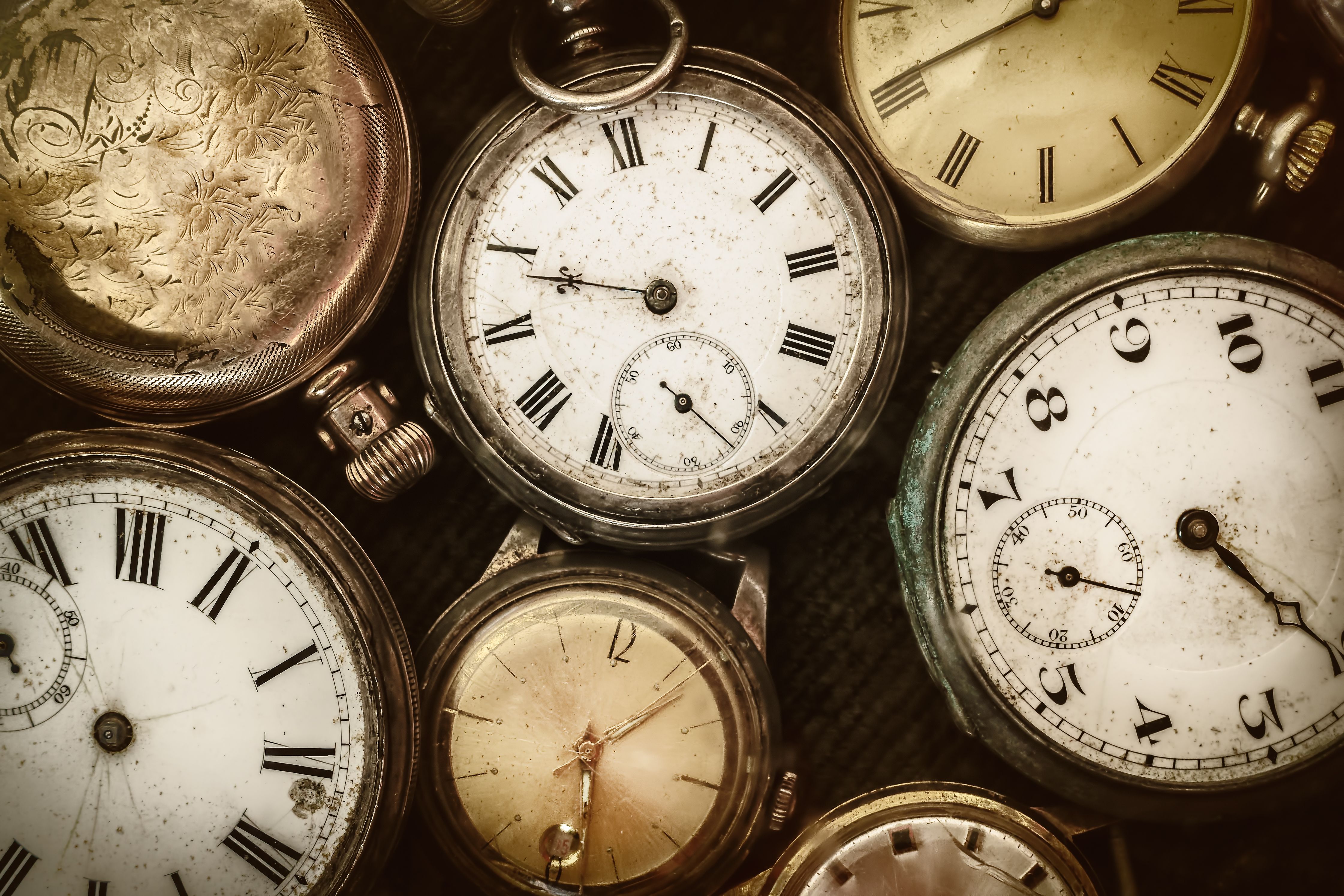
How Does Daylight Saving Time Work?
In most regions, DST begins on the second Sunday in March and ends on the first Sunday in November. Clocks are set forward by one hour at 2 a.m. in spring and set back by one hour in fall.
This means that in March, the time changes from 2 a.m. to 3 a.m., effectively "losing" an hour. In November, clocks are set back, gaining an hour, which results in a 25-hour day.
Benefits of Daylight Saving Time
Proponents of DST argue that it offers several benefits, including:
- Energy Conservation: Extended daylight reduces the need for artificial lighting.
- Economic Boost: Longer evenings encourage more outdoor activities, benefiting retail and tourism sectors.
- Safety Improvements: More daylight in the evening can lead to fewer accidents.

Criticisms and Challenges
Despite its benefits, DST has its critics. Some common criticisms include:
- Health Issues: Sudden time changes can disrupt sleep patterns and increase stress.
- Limited Energy Savings: Modern studies suggest that energy savings are minimal.
- Inconvenience: Changing clocks can be a hassle and lead to confusion.
Global Adoption of Daylight Saving Time
Not all countries observe DST. For instance, most of Africa and Asia do not use it. Within the United States, Hawaii and most of Arizona do not observe DST.
Countries near the equator usually don't participate because there is little variation in daylight throughout the year.

Is Daylight Saving Time Here to Stay?
The future of DST remains uncertain. Some regions have discussed abolishing it altogether, citing the minimal benefits and the drawbacks associated with health and convenience.
In 2019, the European Parliament voted to end the practice, allowing member states to choose whether to stay on permanent summer or winter time.
Conclusion
Daylight Saving Time is a complex and often controversial practice with both benefits and drawbacks. Understanding its history, purpose, and global adoption can help you navigate the biannual clock changes more smoothly.
As the debate continues, it remains a topic of interest for policymakers, businesses, and individuals worldwide.