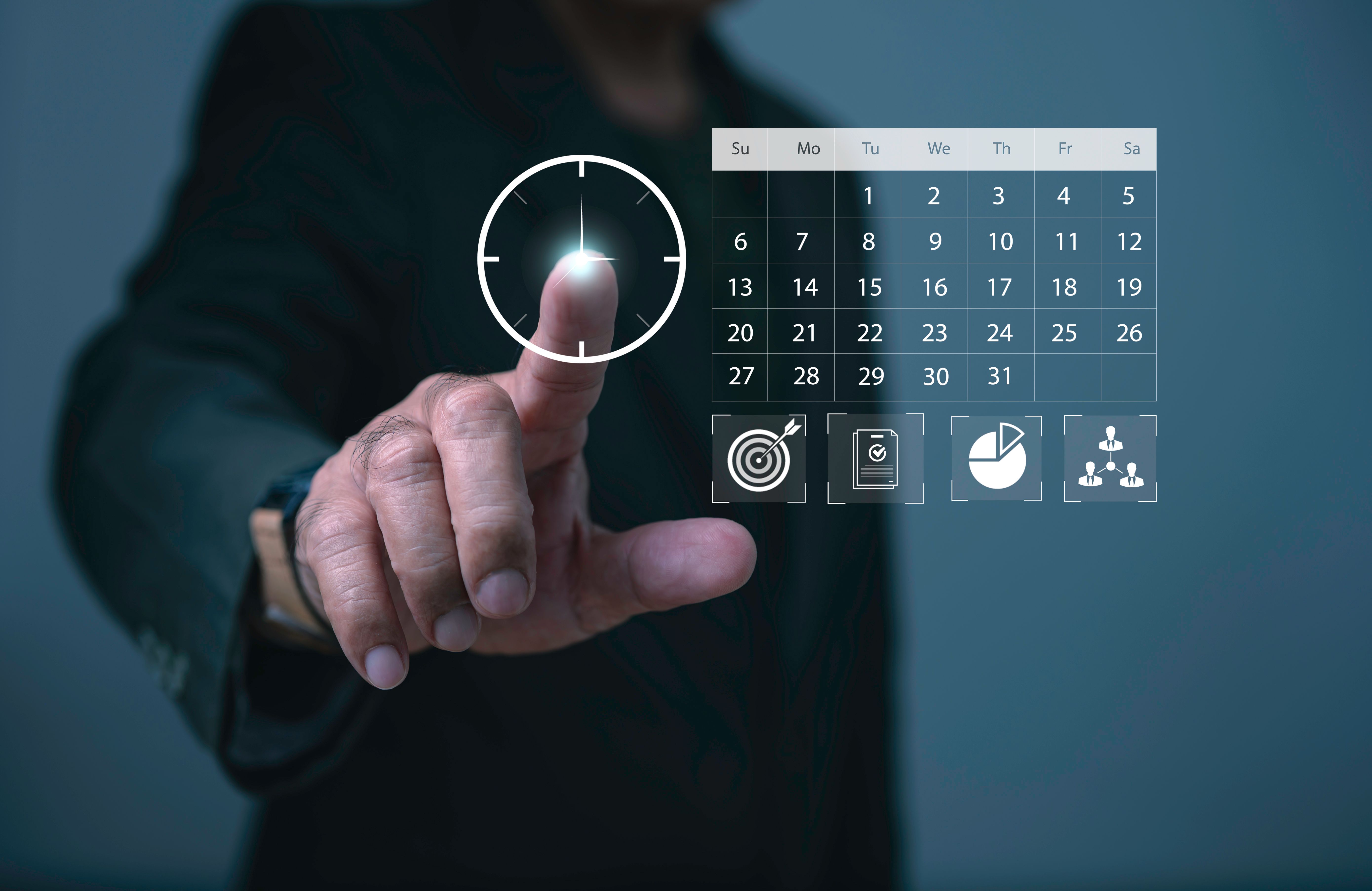
The Impact of Digital Clocks on Modern Lifestyle: A Cultural Perspective


The Evolution of Timekeeping
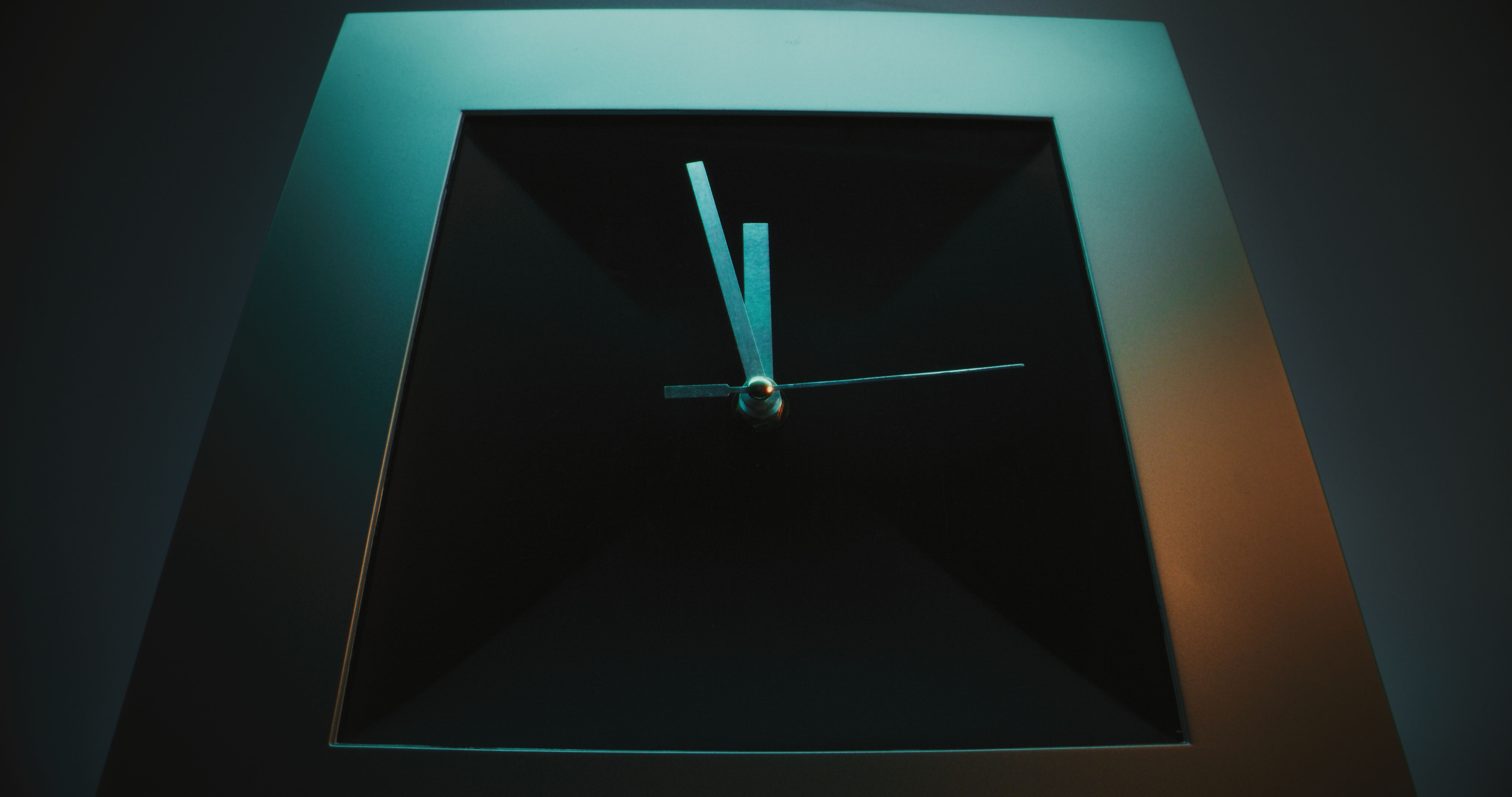
The transition from analog to digital clocks marks a significant shift in how society interacts with time. Digital clocks, with their precise and easy-to-read displays, have become ubiquitous in modern life. This evolution reflects broader cultural changes as technology continues to influence daily routines.
Precision and Efficiency
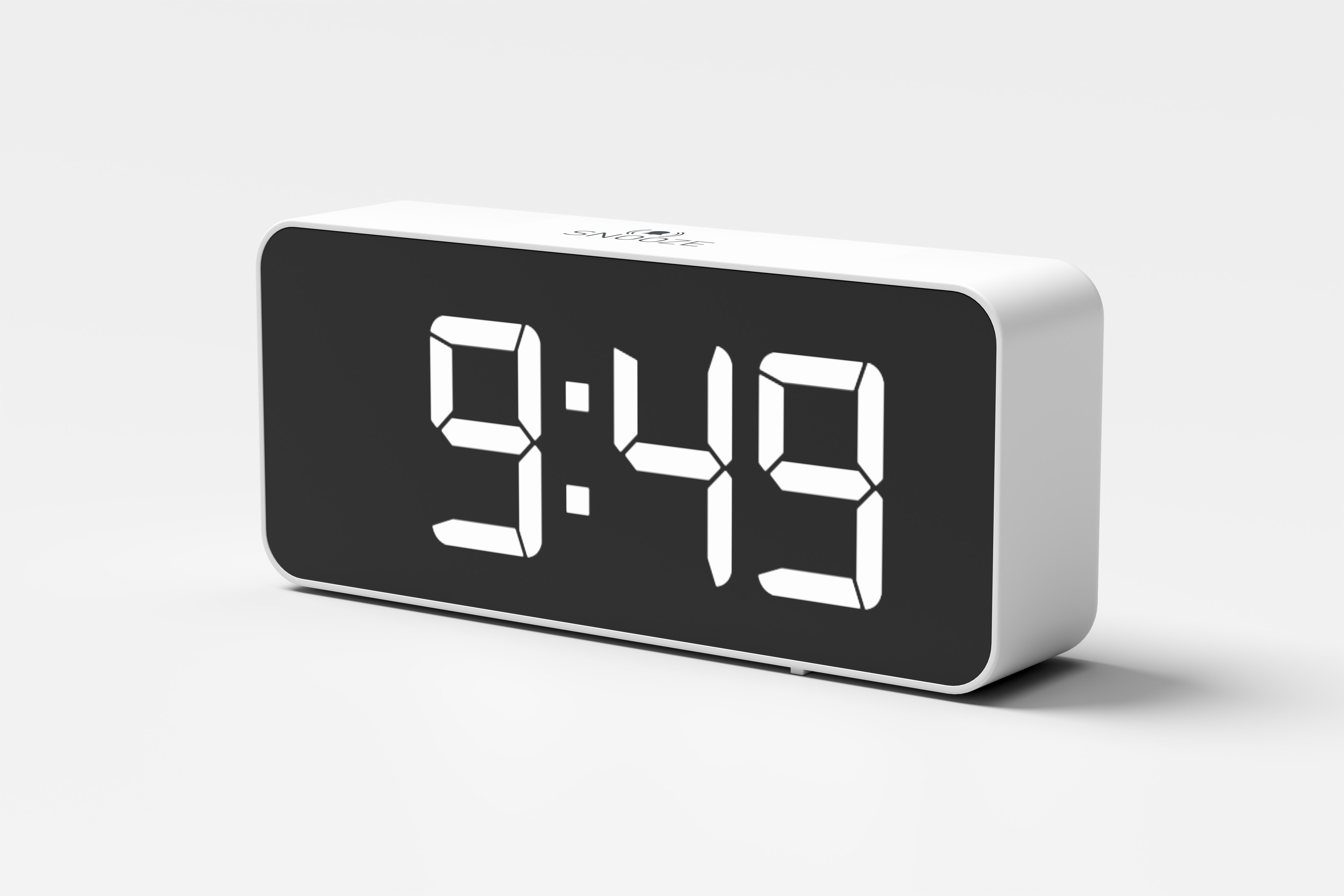
One of the most notable advantages of digital clocks is their accuracy. Unlike their analog counterparts, digital clocks eliminate the ambiguity of interpreting time. This precision is crucial in environments where time management is essential, such as workplaces and educational institutions.
Moreover, digital clocks often come with additional features such as alarms, timers, and even integrated calendars. These functionalities enhance productivity by helping individuals manage their schedules more efficiently.
Changing Aesthetics
The design of digital clocks also reflects modern aesthetics. Sleek, minimalist designs align with contemporary tastes, making them a popular choice for homes and offices. This shift in design preference underscores the cultural move towards simplicity and functionality.
Impact on Daily Life
Digital clocks have influenced how people perceive and interact with time. The constant presence of digital displays, from smartphones to kitchen appliances, ensures that time is always visible. This can lead to a heightened awareness of time, influencing how individuals allocate their time for various activities.
Furthermore, the accessibility of digital timekeeping has made it easier for people to synchronize activities across different time zones, enhancing global communication and collaboration.
The Psychological Effect
While digital clocks offer convenience, their ubiquitous nature can also contribute to increased stress and time anxiety. The relentless ticking of seconds can create a sense of urgency, pushing individuals to constantly check the time and rush through tasks.

Cultural Shifts
The widespread adoption of digital clocks also signifies broader cultural trends. As technology advances, society values speed, efficiency, and connectivity more than ever. Digital clocks embody these ideals, representing a world that is always on the move.
In contrast, some cultures still cherish the tradition and craftsmanship of analog clocks, viewing them as symbols of heritage and artistry. This coexistence highlights the diverse ways in which different cultures interact with timekeeping technology.
The Future of Timekeeping
Looking ahead, the integration of digital clocks with smart technology will likely continue to evolve. Innovations such as voice-activated clocks and IoT-enabled devices are set to redefine how we engage with time.
As these technologies develop, they will further shape cultural attitudes towards time, presenting new opportunities and challenges in managing our increasingly complex lives.