The Evolution of Digital Clocks: From Traditional to Online Tools


Digital clocks have become an integral part of our daily lives, seamlessly blending into our smartphones, computers, and even appliances. But how did we transition from traditional mechanical clocks to the sophisticated digital timekeeping tools we use today?
The Birth of Digital Clocks
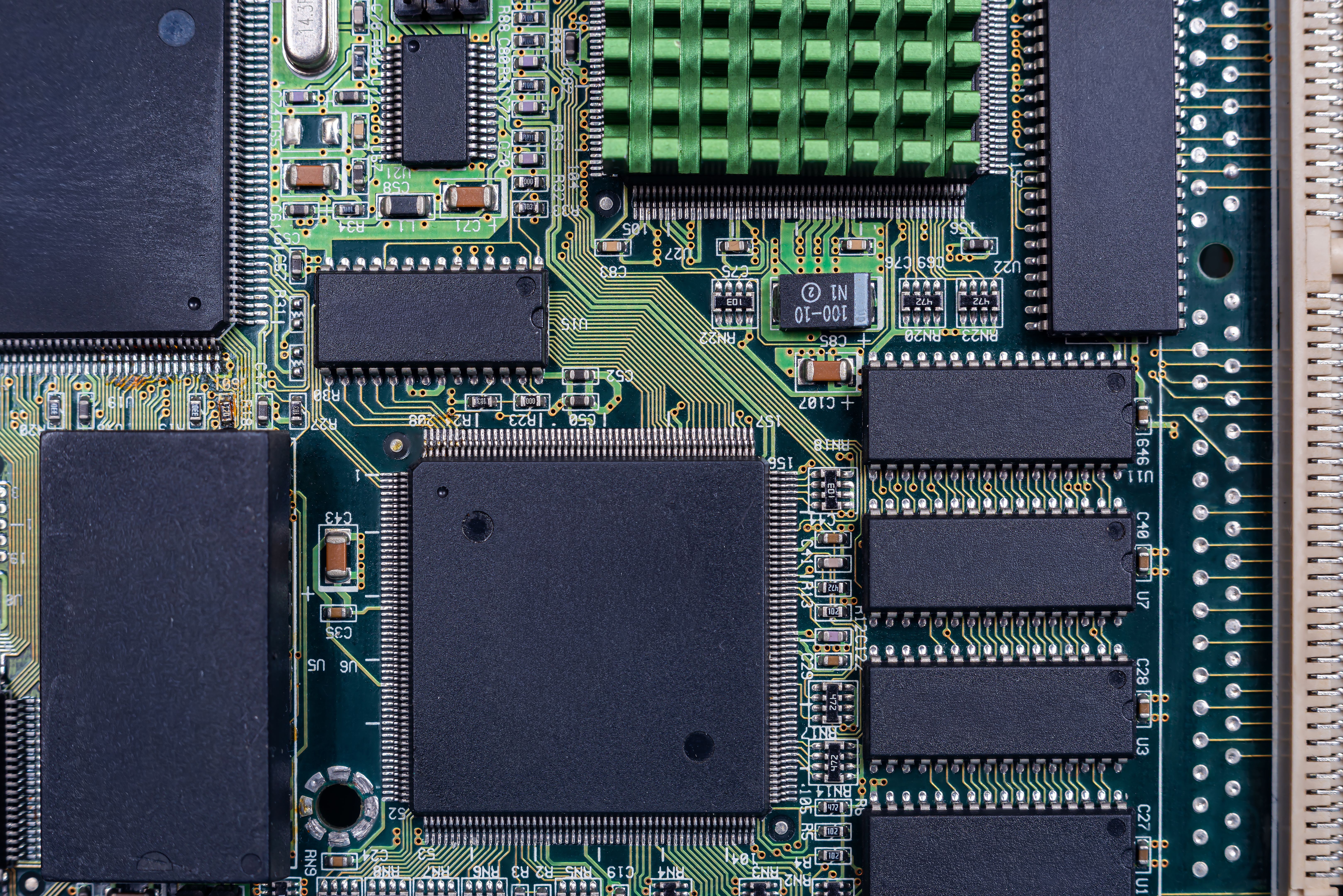
The concept of digital clocks emerged in the mid-20th century. Initially, these clocks were rudimentary, using electric pulses to display time. Unlike their mechanical counterparts, digital clocks offered a more straightforward way of reading time, displaying it in numbers rather than hands on a dial.
The LED and LCD Revolution
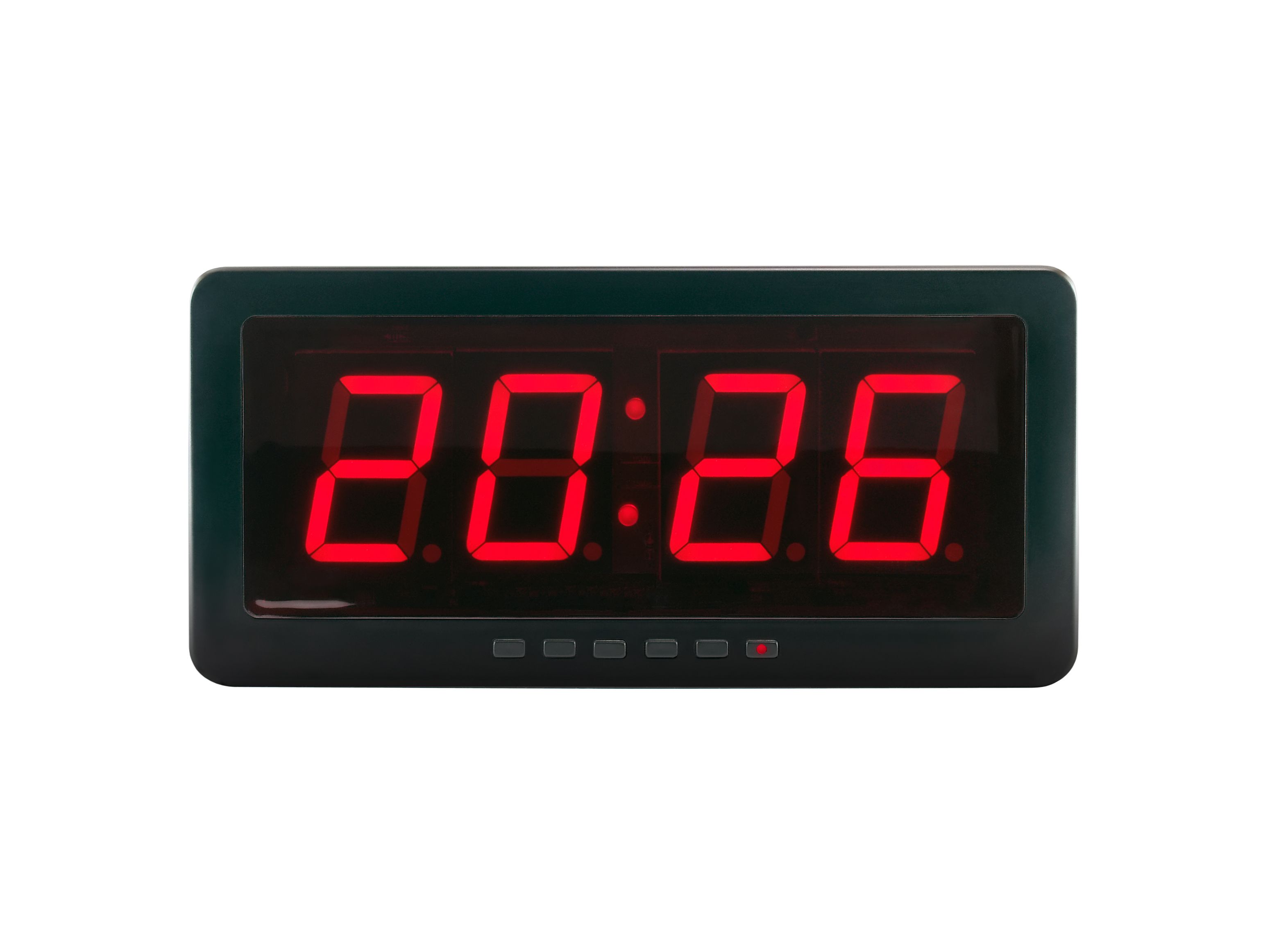
In the 1970s, digital clocks underwent a significant transformation with the introduction of LED (Light Emitting Diode) and LCD (Liquid Crystal Display) technologies. These innovations allowed for brighter, more energy-efficient displays, making digital clocks more popular and affordable for everyday use.
Integration with Modern Devices
As technology advanced, digital clocks became more than just standalone devices. They were integrated into computers, smartphones, and other electronic gadgets. This integration not only provided convenience but also allowed for synchronization with internet time servers, ensuring precise timekeeping.
The Rise of Smart Clocks
With the advent of smart technology, digital clocks evolved further. Smart clocks now offer features such as voice control, weather updates, and connectivity with other smart home devices. These advancements have transformed digital clocks into multifunctional tools that enhance our daily routines.
Online Tools and Applications
Today, digital clocks are not limited to physical devices. Online tools and applications provide customizable digital clock experiences. Users can choose from various designs, time zones, and additional features, making online digital clocks a versatile option for both personal and professional use.
The Future of Digital Timekeeping
The evolution of digital clocks is far from over. As technology continues to advance, we can anticipate even more innovative features and integrations, such as augmented reality displays and AI-assisted time management. These developments promise to further revolutionize how we perceive and interact with time.
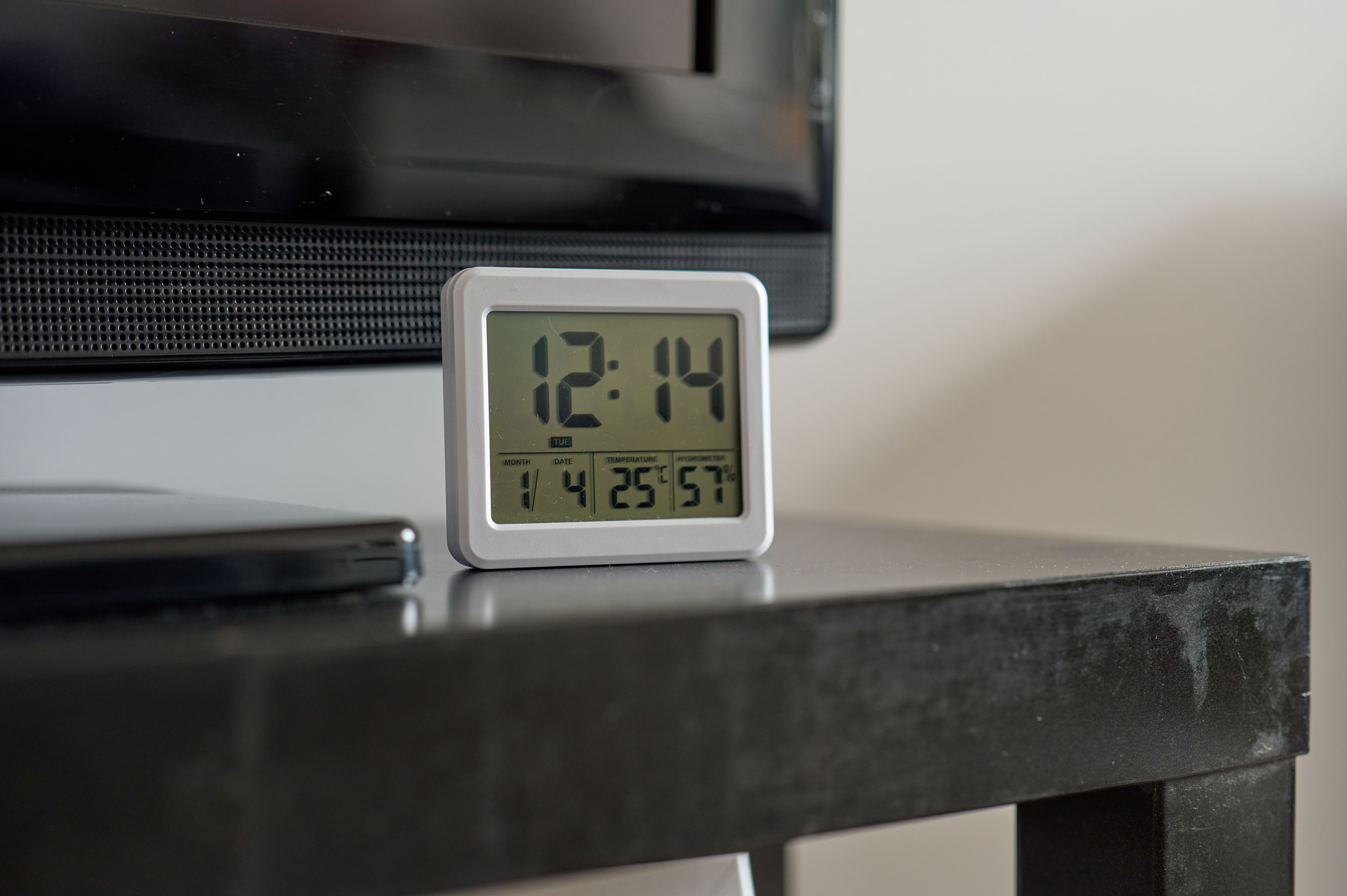
In conclusion, from their humble beginnings to their current state as sophisticated tools, digital clocks have undergone a remarkable transformation. Their evolution reflects the broader trends in technology, highlighting the continuous drive towards greater efficiency, connectivity, and functionality.