How to Use a Time Zone Converter to Schedule Global Meetings


Understanding Time Zones
In today's globalized world, scheduling meetings across different time zones is a common challenge. With colleagues and clients spread out worldwide, it's crucial to find a suitable time that works for everyone. This is where a time zone converter becomes an invaluable tool. By understanding time zones and their differences, you can effectively coordinate meetings without confusion or overlap.
Time zone converters help you identify the current time in various locations, allowing you to plan meetings more efficiently. These tools are designed to eliminate the guesswork involved in scheduling across time zones, ensuring everyone is on the same page.

Choosing the Right Tool
There are numerous time zone converters available, both as standalone websites and integrated features within other applications. When selecting a tool, consider factors such as ease of use, the number of time zones supported, and additional features like calendar integration.
Some popular options include World Time Buddy, Time Zone Converter by timeanddate.com, and the built-in features of Google Calendar and Outlook. These tools provide a user-friendly interface and accurate conversions, making them ideal for busy professionals.
Features to Look For
When selecting a time zone converter, look for features such as:
- Multiple time zone support
- Customizable views
- Calendar integration
- Automatic daylight saving adjustments
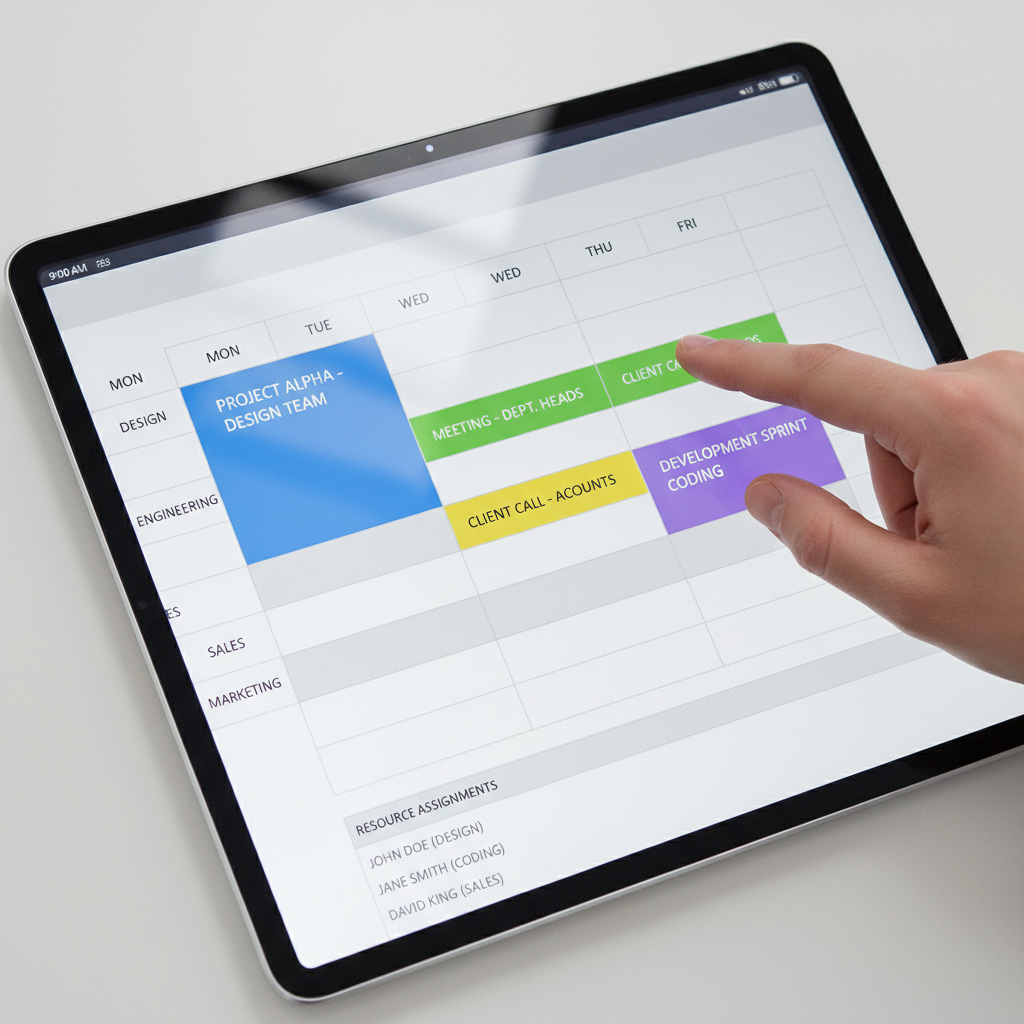
Scheduling Meetings Effectively
Once you've chosen a reliable time zone converter, it's time to schedule your meetings. Start by identifying the time zones of all participants. Enter these into your converter to find overlapping times that are convenient for everyone.
It's often a good idea to prioritize the time zones of key participants or those who have the most constraints. Be mindful of major holidays in different regions, as these can affect availability.
Communicating with Participants
After determining a suitable time, communicate clearly with all participants. Use calendar invites that automatically adjust for time zones to avoid errors. Including the time in both local and target time zones in your communication can also be helpful.

Conclusion
Using a time zone converter is a straightforward yet powerful way to streamline international communication. By choosing the right tool and following best practices, you can minimize scheduling conflicts and enhance productivity.
Remember, the key to successful global meetings lies in preparation and clear communication. With the right approach, you can effectively manage time differences and ensure smooth collaboration across borders.