How Does an Online World Clock Work? A Deep Dive into Digital Timekeeping


Understanding Online World Clocks
In today's interconnected world, keeping track of time across different time zones is crucial. An online world clock serves as a powerful tool to help individuals and businesses coordinate activities internationally. These digital platforms provide real-time updates of the time in various locations, allowing users to plan meetings, events, and communications effortlessly.
Online world clocks have evolved significantly, offering features beyond just displaying the current time. They incorporate functionalities like daylight saving adjustments, calendar integrations, and even weather updates for specific regions. But how exactly do these digital timekeepers work?
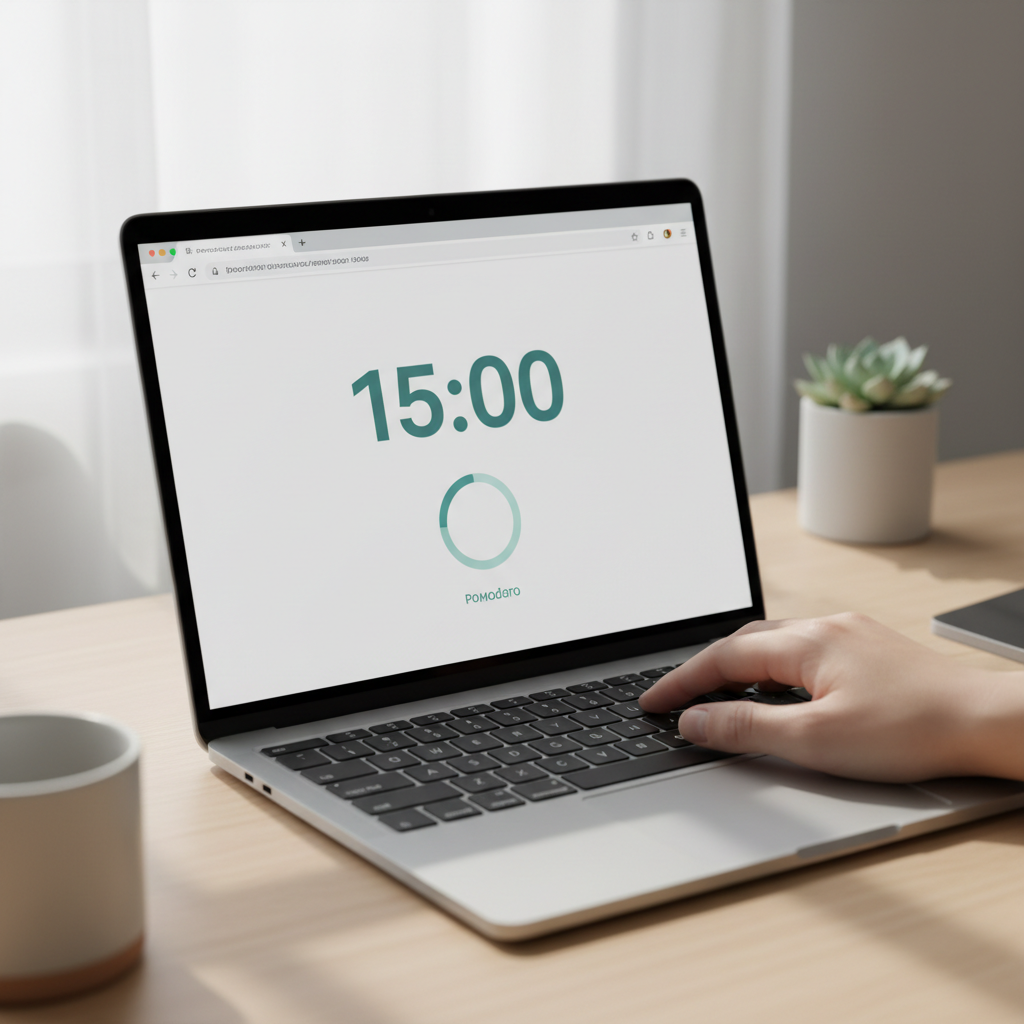
The Technology Behind Digital Timekeeping
At the core of any online world clock is a robust system that retrieves and processes time data from multiple sources. These platforms utilize global time servers, which are synchronized with atomic clocks to maintain precise accuracy. Atomic clocks are the most accurate timekeeping devices available, with an error margin of just one second in millions of years.
Time data is transmitted through the Network Time Protocol (NTP), a networking protocol for clock synchronization between computer systems. NTP ensures that all devices connected to the network display the correct time, regardless of geographical location.
Integration with Time Zone Databases
Online world clocks rely heavily on comprehensive time zone databases. These databases contain detailed information about the world's time zones, including their offsets from Coordinated Universal Time (UTC) and daylight saving time changes. The databases are regularly updated to reflect any changes in time zone boundaries or daylight saving rules.

User-Friendly Features
One of the most appealing aspects of online world clocks is their user-friendly interface. Most platforms offer customizable features, enabling users to select specific cities or countries to display. This customization is particularly useful for professionals who work with international clients or teams.
Some online world clocks also provide additional features, such as countdown timers, alarms, and even widgets that can be embedded on websites. These functionalities enhance the utility of the clocks, making them indispensable tools for global communication and planning.
Mobile Accessibility
In the age of smartphones, mobile accessibility is a key feature of modern online world clocks. Many platforms offer mobile apps, allowing users to check the time in different parts of the world on the go. These apps often come with push notifications, ensuring users never miss an important meeting or event due to time zone confusion.
The Impact of Online World Clocks
The impact of online world clocks extends beyond personal convenience. In business, they facilitate smoother operations by helping teams across the globe collaborate effectively. By providing accurate time information, these tools help prevent scheduling conflicts and enhance productivity.
Moreover, in an era where remote work and virtual meetings are becoming the norm, the importance of reliable timekeeping cannot be overstated. Online world clocks bridge the temporal gap between different regions, creating a seamless communication experience.
Future Developments
As technology continues to advance, we can expect further innovations in the field of digital timekeeping. Future online world clocks might incorporate artificial intelligence to predict scheduling conflicts or suggest optimal meeting times based on participants' locations. These enhancements will make time management even more efficient and intuitive.
Ultimately, online world clocks are more than just tools; they are essential components of our digital lives, helping us stay connected in an increasingly globalized world.