Exploring the Future of Timekeeping: Innovations in Online Clocks


The Evolution of Timekeeping
Timekeeping has come a long way from the sundials and water clocks of ancient times. In today's digital age, the way we track and manage time is continuously evolving. The advent of online clocks has transformed how we perceive and utilize time, offering a plethora of features and conveniences that traditional methods could never provide.

Features and Capabilities of Online Clocks
Modern online clocks are more than just timekeepers. They offer a wide array of features including alarms, timers, world clocks, and even integrations with other digital tools. These online solutions have become indispensable for both personal and professional use. With the capability to sync across devices, they ensure that you never miss a beat.
Moreover, many online clocks now incorporate advanced features such as weather updates, calendar events, and reminders. This integration helps streamline daily tasks, making it easier to manage schedules and commitments.
Accessibility and Customization
One of the most significant advantages of online clocks is their accessibility. Whether on a smartphone, tablet, or desktop, these clocks are available anytime and anywhere. This ubiquitous presence ensures that users can keep track of time no matter where they are.
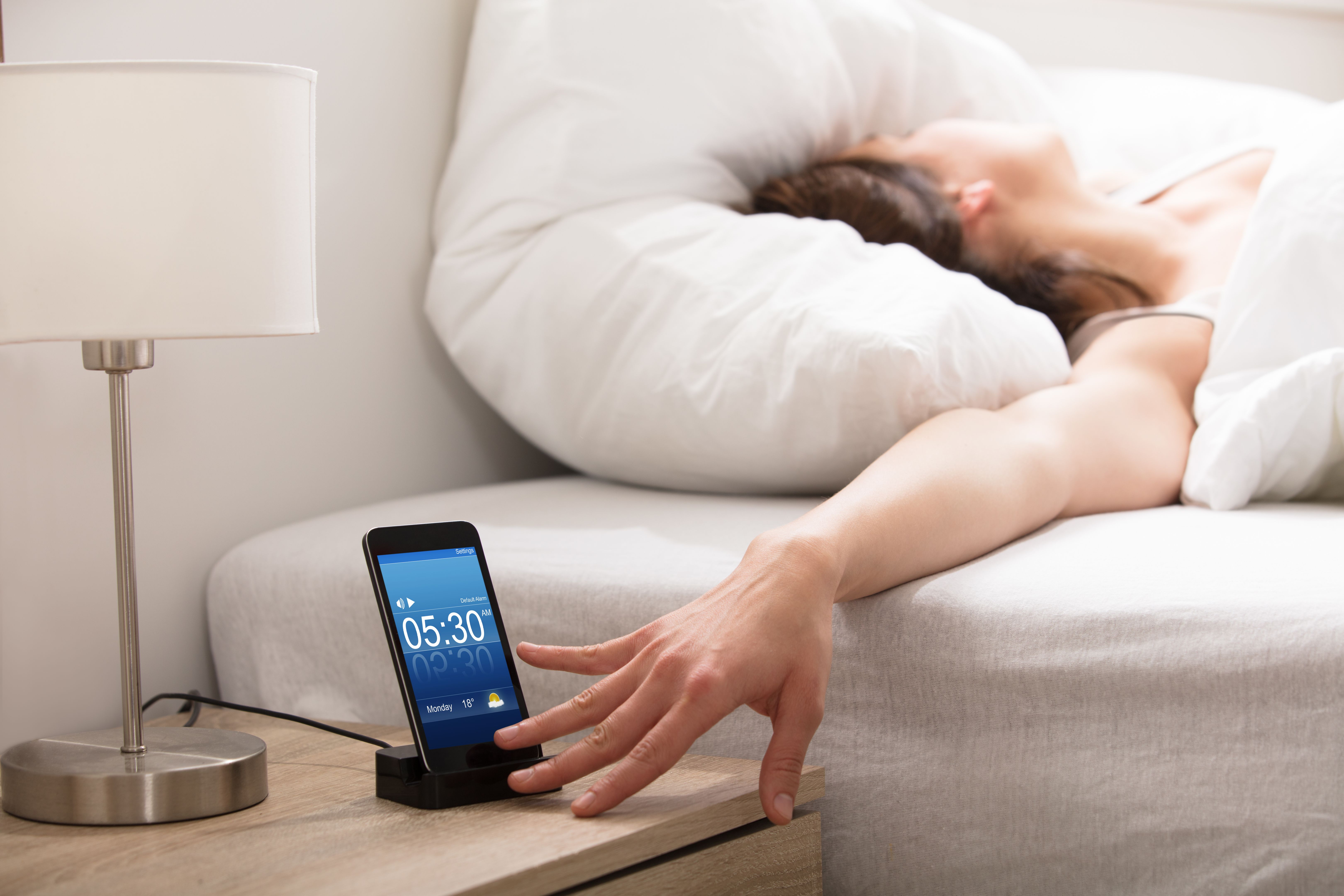
Customization is another key feature. Users can choose from various themes, styles, and functionalities to suit their personal preferences. Some platforms even allow users to create personalized alarms with custom sounds, offering a unique experience tailored to individual needs.
The Role of AI and Machine Learning
Artificial Intelligence (AI) and machine learning are playing a crucial role in the evolution of online clocks. These technologies enable more intelligent and responsive timekeeping solutions. For example, AI can predict optimal times for reminders based on user habits and adjust settings accordingly.
Machine learning algorithms can analyze patterns and suggest improvements in time management, enhancing productivity. This integration marks a significant step forward in how we interact with timekeeping technology.

Future Trends in Timekeeping
As technology continues to advance, the future of online clocks looks promising. We can expect further integration with smart home devices, allowing for seamless interaction between timekeeping and daily activities. Imagine a clock that not only wakes you up but also starts your coffee machine and adjusts your home lighting based on your schedule.
Furthermore, the incorporation of augmented reality (AR) could redefine how we visualize time, offering immersive experiences that blend digital and physical worlds.
Conclusion
Online clocks are no longer just a tool to tell time; they are becoming a central hub for managing daily life. With ongoing innovations and technological advancements, the future of timekeeping is set to become even more exciting and dynamic. Embracing these changes will undoubtedly lead to more efficient and enjoyable time management experiences.